
Mathematics may hold unexpected clues to understanding Alzheimer’s disease. Scientists have developed a model showing how common metals like copper and zinc may influence the buildup of proteins associated with the disease, while also exploring possible ways to stop the process. The findings could help researchers identify promising strategies for preventing harmful plaque formation.
Related Posts
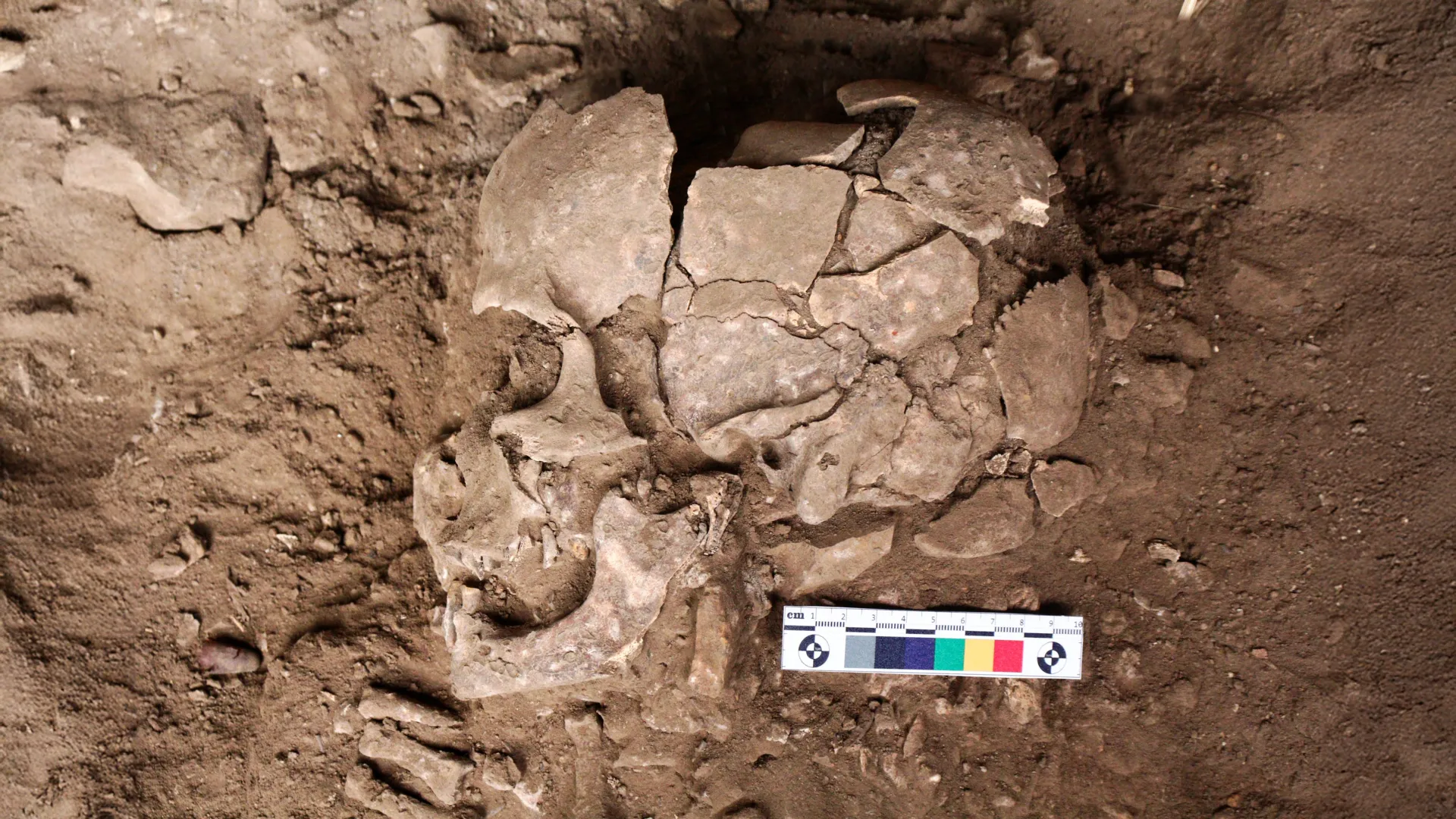
Ancient teeth reveal humans were getting high 25,000 years ago
Ancient human remains from Sulawesi suggest people were habitually using the psychoactive betel nut as far back as 25,000 years ago. Researchers found both unusual
Ancient human remains from Sulawesi suggest people were habitually using the psychoactive betel nut as far back as 25,000 years ago. Researchers found both unusual

A mysterious star system just 16 light-years away may be hiding habitable planets
Astronomers have solved a 170-year-old planetary mystery in a nearby two-star system, discovering that a mysterious wobble was caused by stellar activity rather than a
Astronomers have solved a 170-year-old planetary mystery in a nearby two-star system, discovering that a mysterious wobble was caused by stellar activity rather than a

“Crawzilla” was huge. Then scientists found an even bigger crayfish
A nationwide search for giant crayfish uncovered a record-breaking Tennessee specimen and a surprising mystery about how big these freshwater creatures can grow. Scientists found
A nationwide search for giant crayfish uncovered a record-breaking Tennessee specimen and a surprising mystery about how big these freshwater creatures can grow. Scientists found