
Scientists have uncovered a surprising way that “jumping genes” may move between species and speed up evolution. While these mobile genetic elements were thought to travel mainly inside viruses or plasmids, researchers found circular intron RNA from a tiny predatory bacterium inside the dead cells of another microorganism. Because the RNA forms a stable ring that resists breakdown, it may provide jumping genes with a previously unknown route for spreading between species.
Related Posts
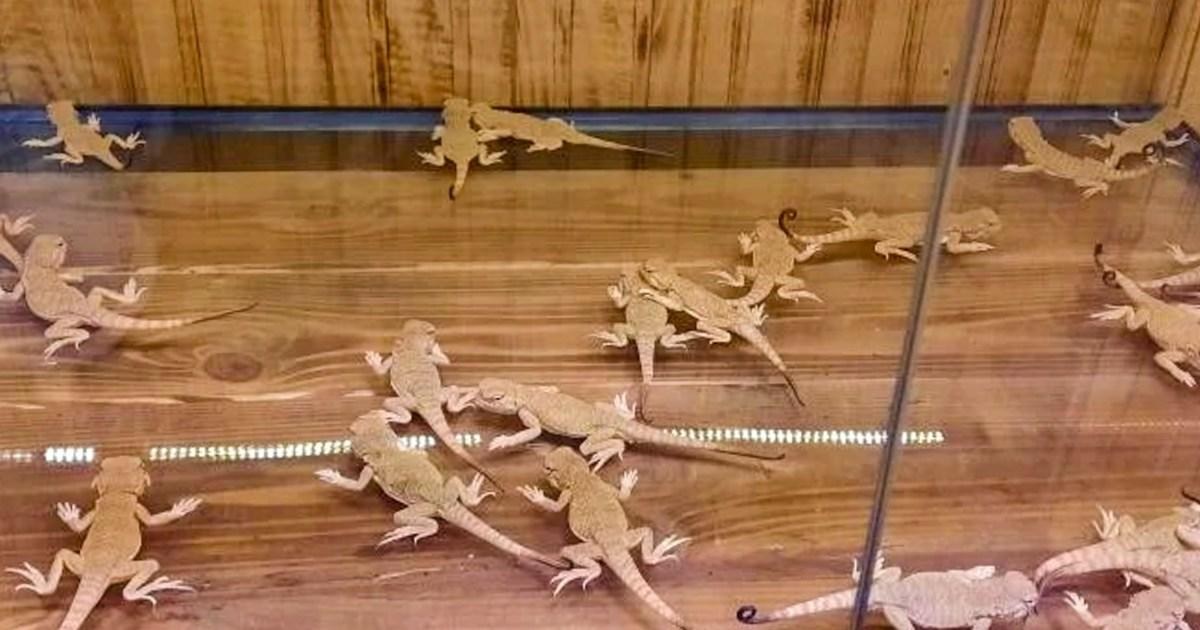
Woman caught trying to cross border with 116 reptiles stashed in her jacket
One of the lizards recovered from the woman’s clothing (Picture: Russian Federal Customs Service/Cover Images) Customs officers were in for a shock when they searched
One of the lizards recovered from the woman’s clothing (Picture: Russian Federal Customs Service/Cover Images) Customs officers were in for a shock when they searched

Ozempic may have revealed the brain’s hidden “craving center”
Ozempic-like drugs appear to weaken more than hunger—they may also reduce cravings for alcohol and other addictive substances. Scientists are increasingly tracing this effect to
Ozempic-like drugs appear to weaken more than hunger—they may also reduce cravings for alcohol and other addictive substances. Scientists are increasingly tracing this effect to
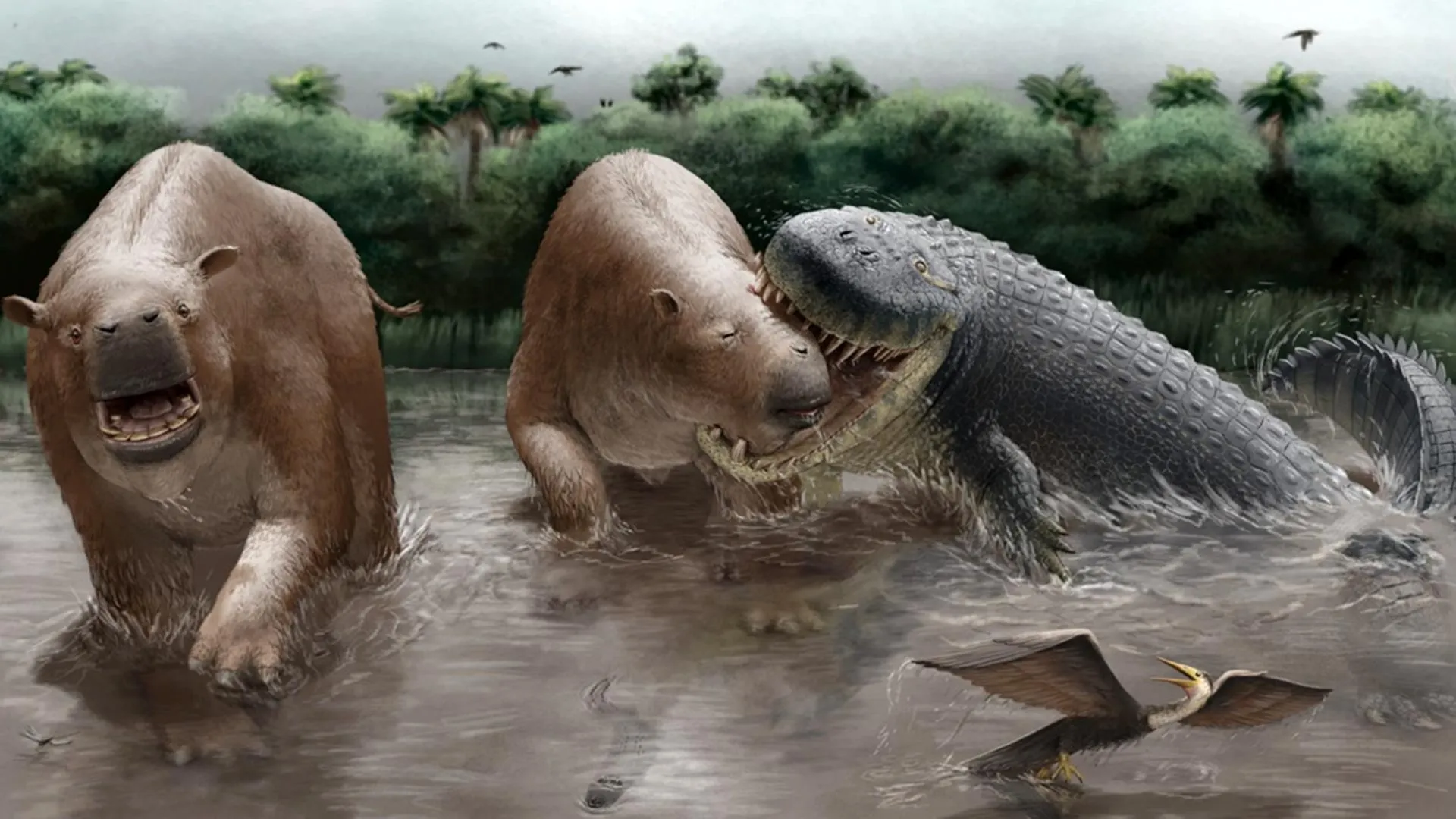
This 23-foot crocodylian may have ruled South America’s food chain
Miocene South America was packed with giant prey—and the predators hunting them were just as spectacular. Fossil bite marks suggest crocodylians, especially the enormous Purussaurus
Miocene South America was packed with giant prey—and the predators hunting them were just as spectacular. Fossil bite marks suggest crocodylians, especially the enormous Purussaurus