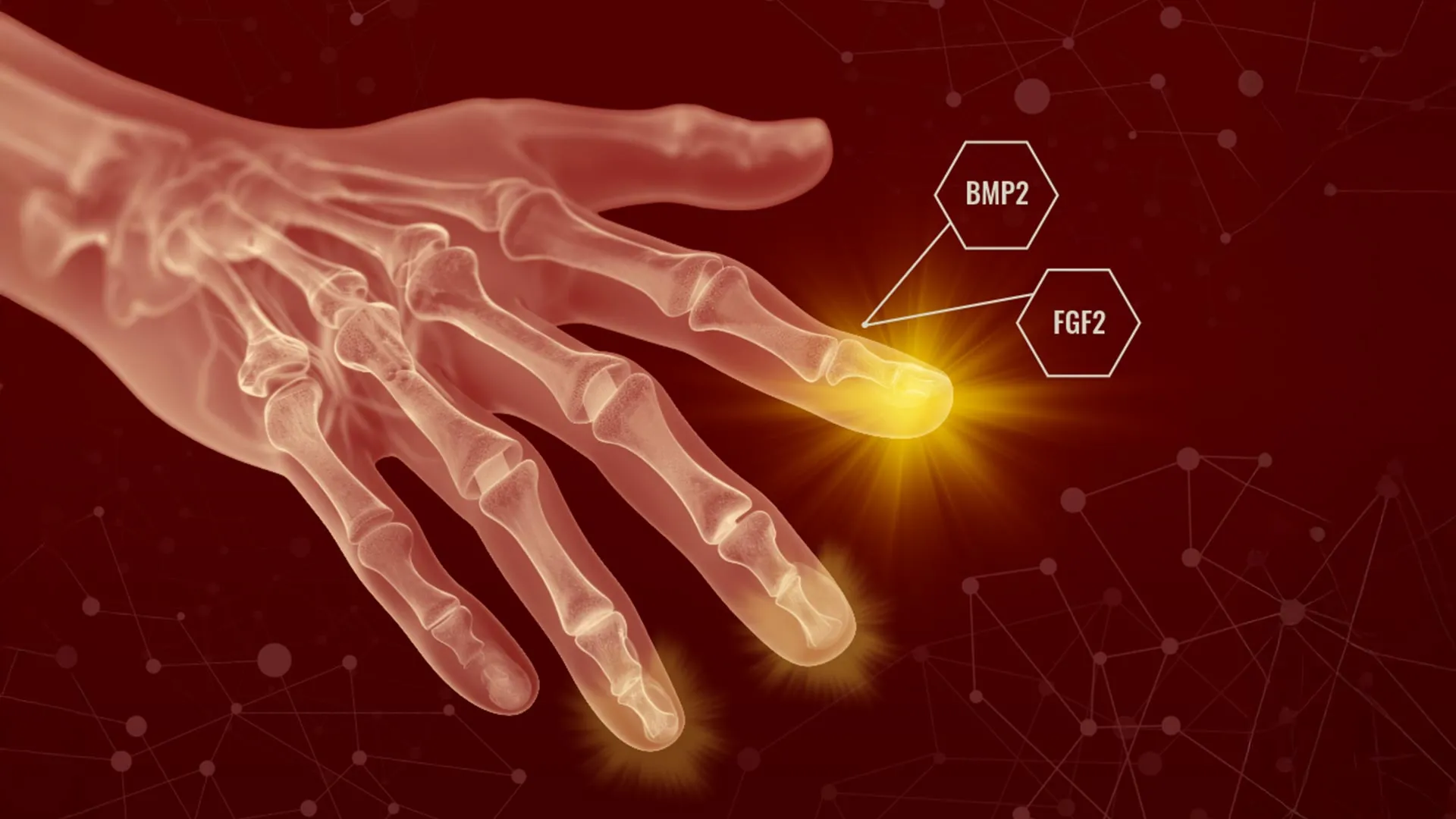
Scientists have taken a surprising step toward unlocking regeneration in mammals, showing that the ability to rebuild complex body parts may not be lost after all—it may simply be switched off. Using a two-stage treatment, researchers redirected the body’s normal healing response away from scar formation and toward regrowth, successfully restoring bone, joints, ligaments, and tendons after amputation in animal studies.
Related Posts

Eating chili peppers may raise the risk of one deadly cancer
A major review found that people who consumed the most chili peppers had a substantially higher risk of esophageal cancer, though the evidence was less
A major review found that people who consumed the most chili peppers had a substantially higher risk of esophageal cancer, though the evidence was less

Rare goblin shark filmed alive for the first time in the deep sea
For the first time, researchers have filmed the elusive goblin shark alive in the deep ocean where it naturally lives. The remarkable sightings greatly expand
For the first time, researchers have filmed the elusive goblin shark alive in the deep ocean where it naturally lives. The remarkable sightings greatly expand
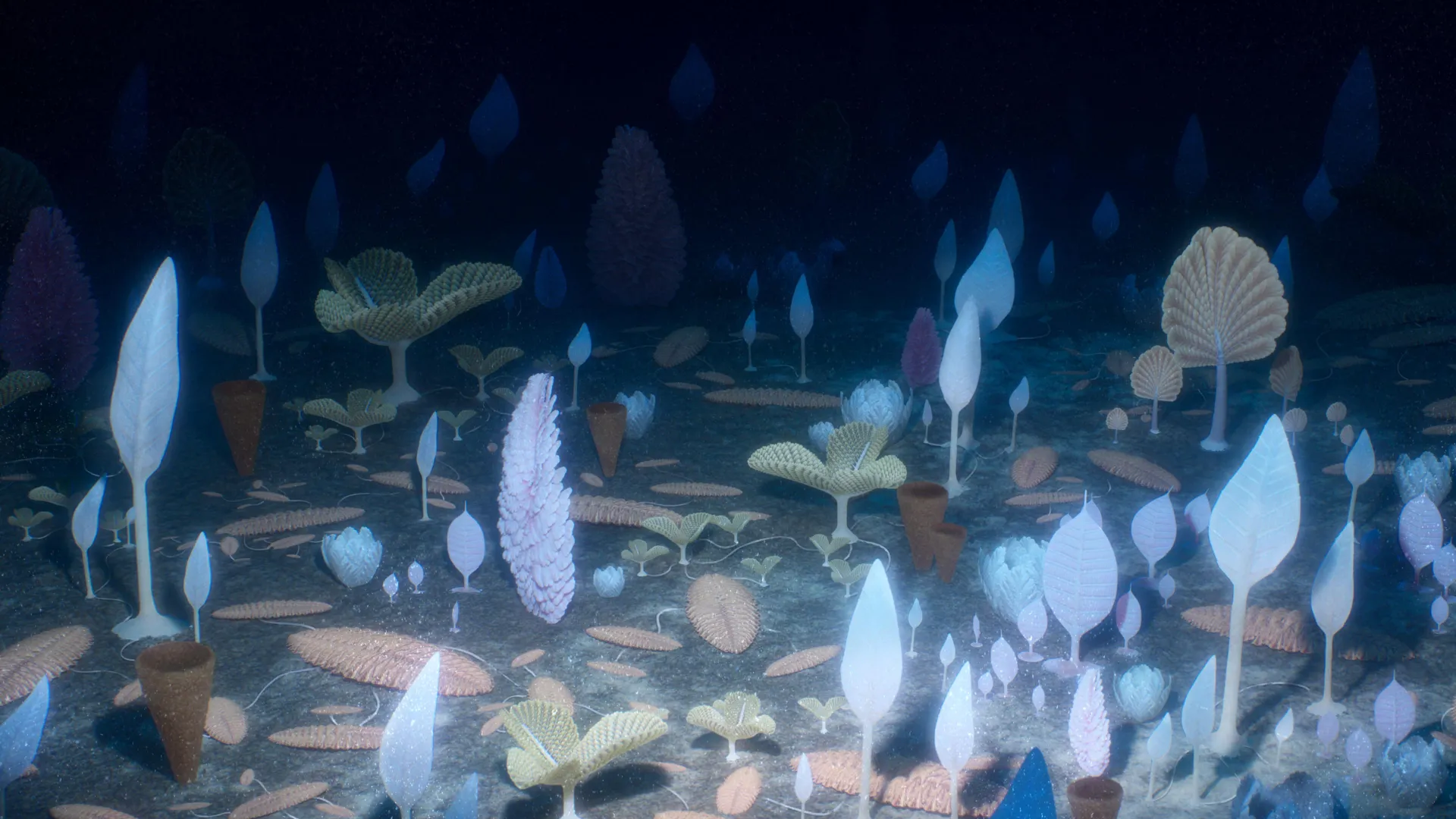
Earth’s first animals barely evolved until sex changed everything
Earth’s earliest animals may have held evolution back because they reproduced asexually, creating low-competition communities that changed very little over time. When environmental pressures pushed
Earth’s earliest animals may have held evolution back because they reproduced asexually, creating low-competition communities that changed very little over time. When environmental pressures pushed