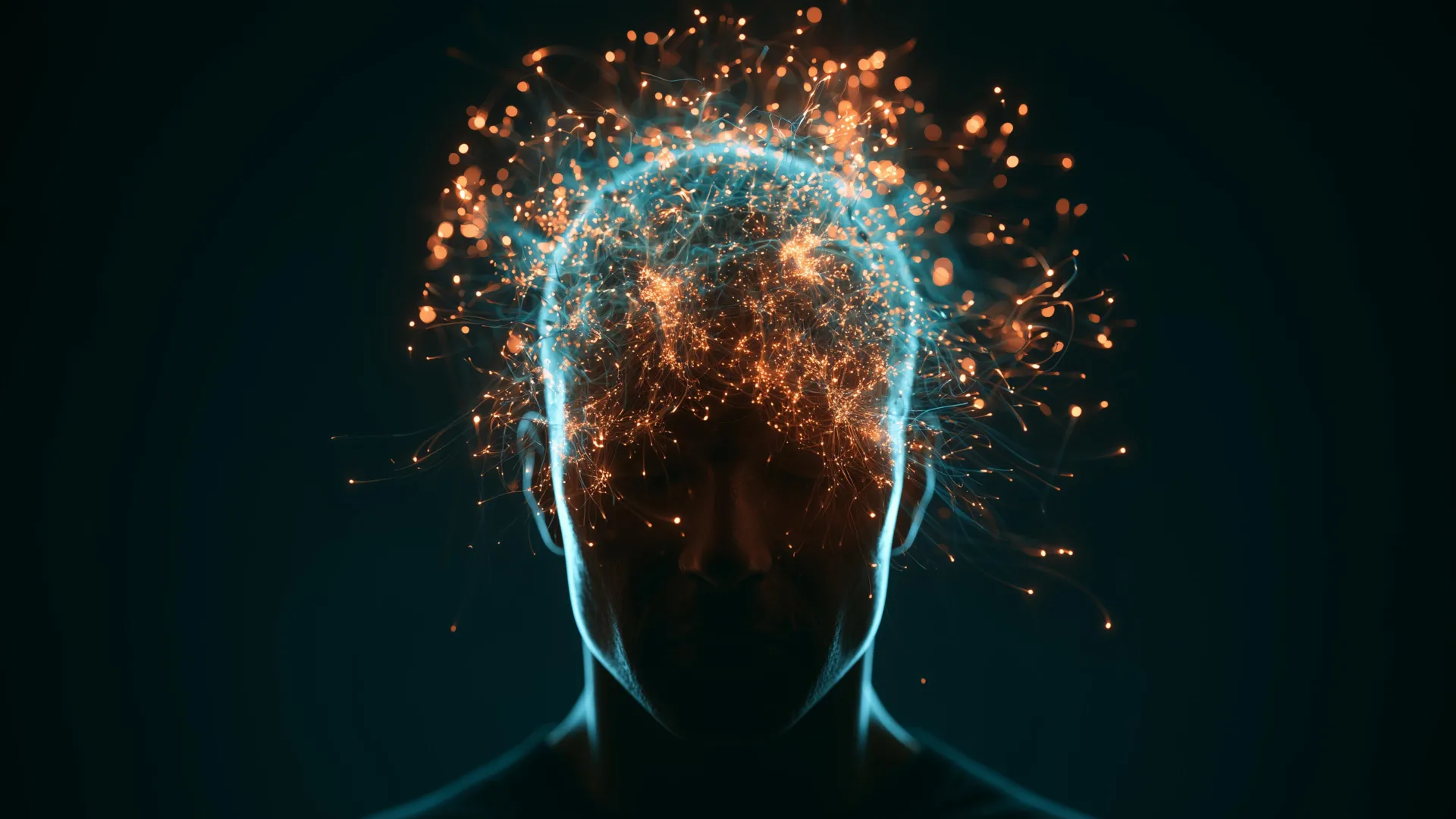
Even under general anesthesia, the human brain can analyze language, recognize different types of words, and predict what comes next in a story, according to a surprising discovery by Baylor researchers. The findings challenge our understanding of consciousness and suggest that the unconscious brain is far more capable than scientists previously realized.
Related Posts
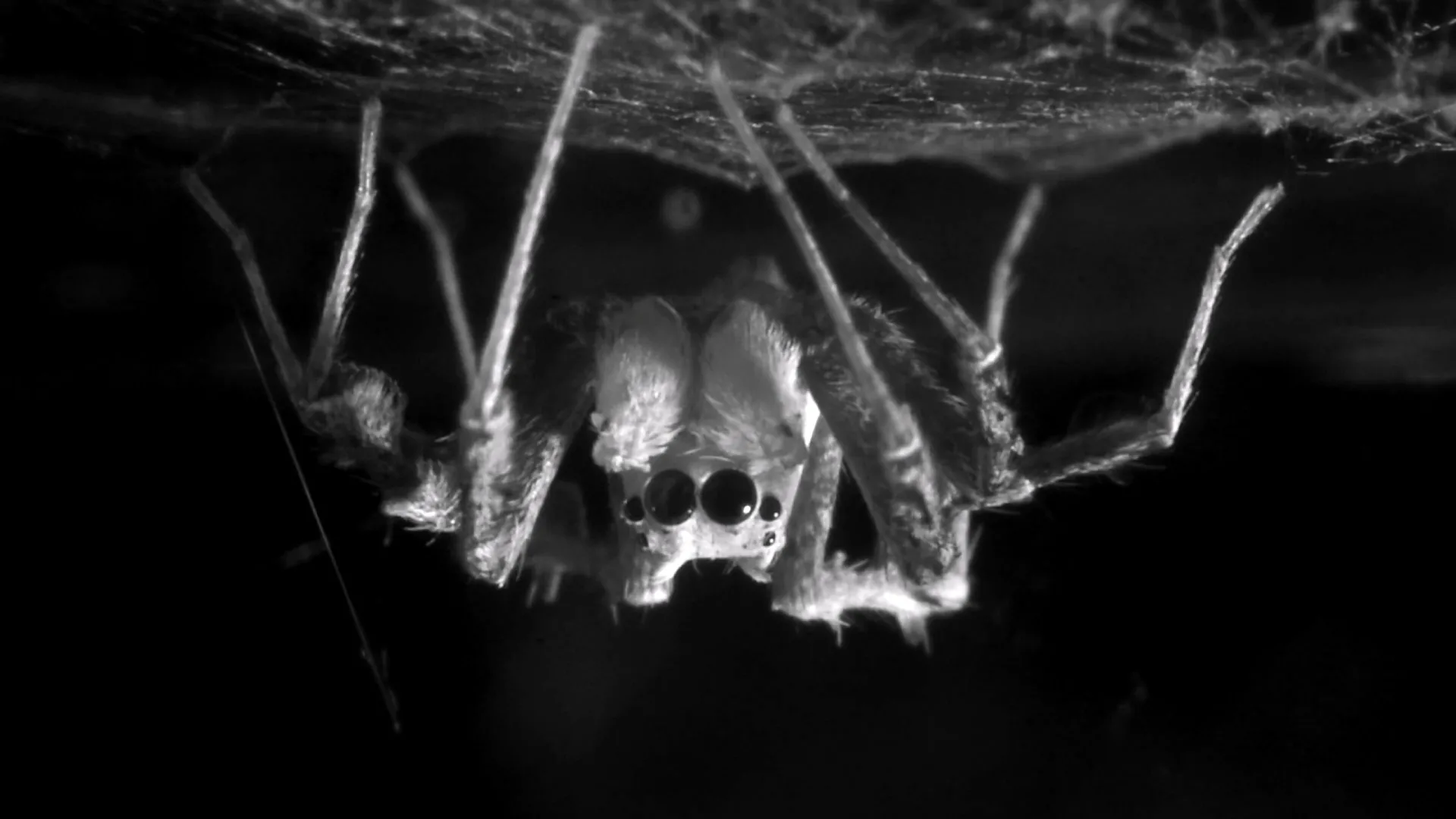
Do spiders dream? Scientists just found a surprising clue
Scientists have discovered that spiders may sleep in ways surprisingly similar to humans, complete with distinct sleep stages and a dream-like REM state. Researchers at
Scientists have discovered that spiders may sleep in ways surprisingly similar to humans, complete with distinct sleep stages and a dream-like REM state. Researchers at

Scientists predicted doomsday for November 13, 2026. Should we be worried?
In 1960, scientists predicted that runaway population growth would bring humanity to the brink of destruction on November 13, 2026, and their mathematical forecasts remained
In 1960, scientists predicted that runaway population growth would bring humanity to the brink of destruction on November 13, 2026, and their mathematical forecasts remained
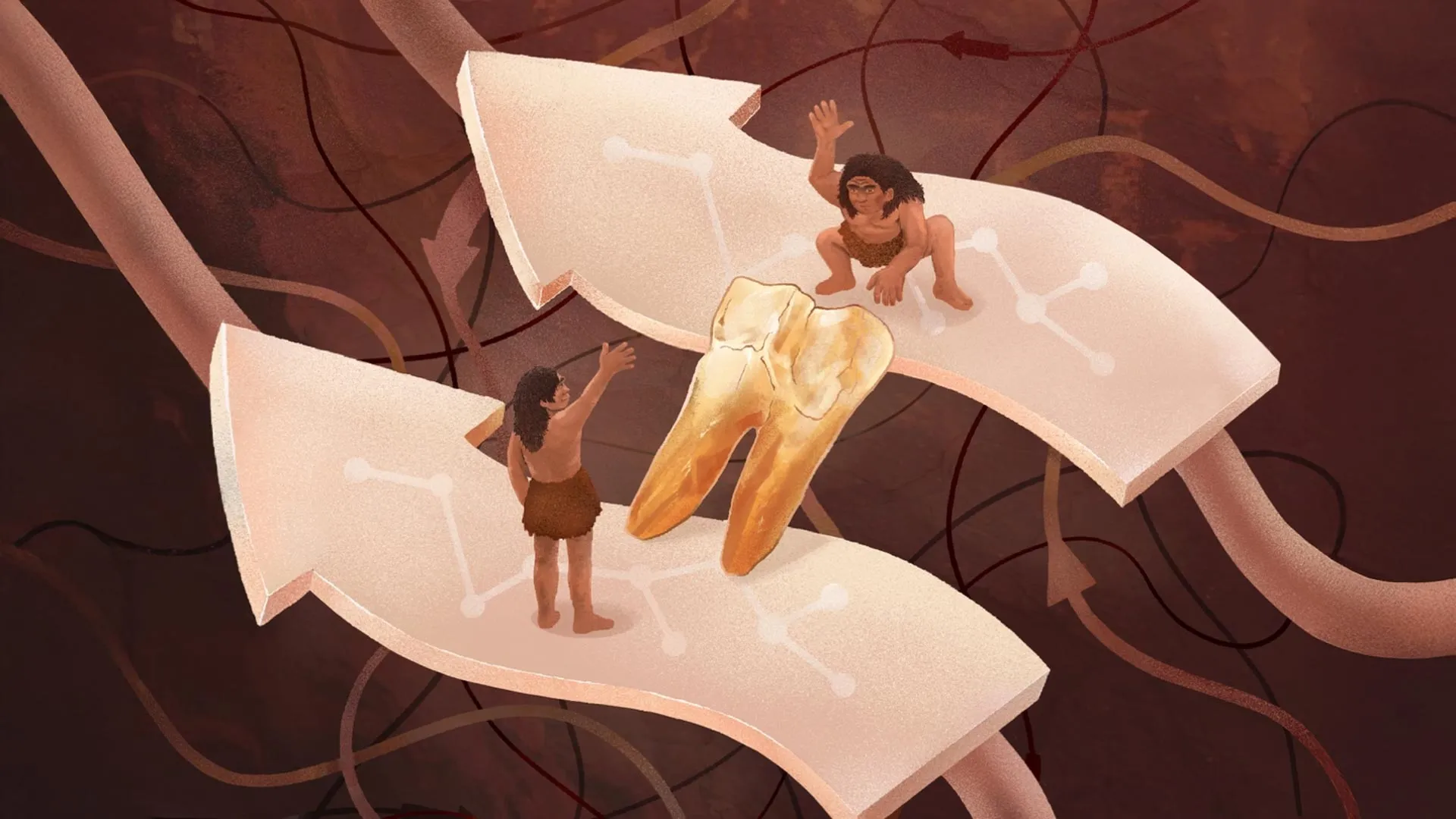
400,000-year-old teeth reveal a hidden link in human evolution
More than 400,000-year-old Homo erectus teeth from China may reveal a surprising link between this ancient human species, Denisovans, and some modern people. Scientists found
More than 400,000-year-old Homo erectus teeth from China may reveal a surprising link between this ancient human species, Denisovans, and some modern people. Scientists found